



Will this delay move a milestone?
Time impact analysis that answers the question before it becomes a dispute. We insert a fragnet for the delay or change into the current update and measure exactly what it does to the driving path and the contract milestones.
Arguing about days without the analysis.
Days requested, days denied
A time extension request with no schedule analysis gets rejected. A rejection with no analysis gets disputed.
Contained or contractual
Some delays stay inside one work area. Others reach a contractual milestone. That difference decides who pays.
Concurrency left unanswered
When two delays overlap, entitlement turns on which one was driving. Without analysis, both sides are guessing.
How we measure impact.

- 01
Start from the right update
The analysis uses the last accepted update before the event, with its data date and logic checked first.
- 02
Build the fragnet
The delay or change modeled as a small set of tied activities, with durations drawn from the project record.
- 03
Insert and recalculate
The fragnet is tied into the network and the schedule recalculated, measuring the shift at each milestone.
- 04
Test float and concurrency
We check whether available float absorbed the delay, and whether other delays were driving at the same time.
- 05
Write it for the reviewer
A clear narrative with before and after paths, so the other side can follow and reproduce every step.
What you walk away with.
Scoped to your project. Native files and plain-English outputs that stay yours when we leave.
The event, the fragnet, the method and the result in days, supported by exhibits.
The impacted and unimpacted schedules, so the other party can reproduce the result.
The driving path to each milestone shown with and without the delay.
Excusable, compensable or neither, with the relevant contract clauses cited.
Practical ways to reduce the impact, each with its days and cost.
When to call us.
The earlier we see the schedule, the more options you keep.
A delay event just happened
Analyze while the facts are fresh and the notice period is still open.
A change needs a time answer
Settle the days at the same table as the dollars.
An extension request arrived
Owners use an independent TIA to test what the contractor submitted.
Damages are being assessed
Measure the real effect before penalties are applied or contested.
Where this work has run.
Every project is confidential. Names describe the work, not the client.
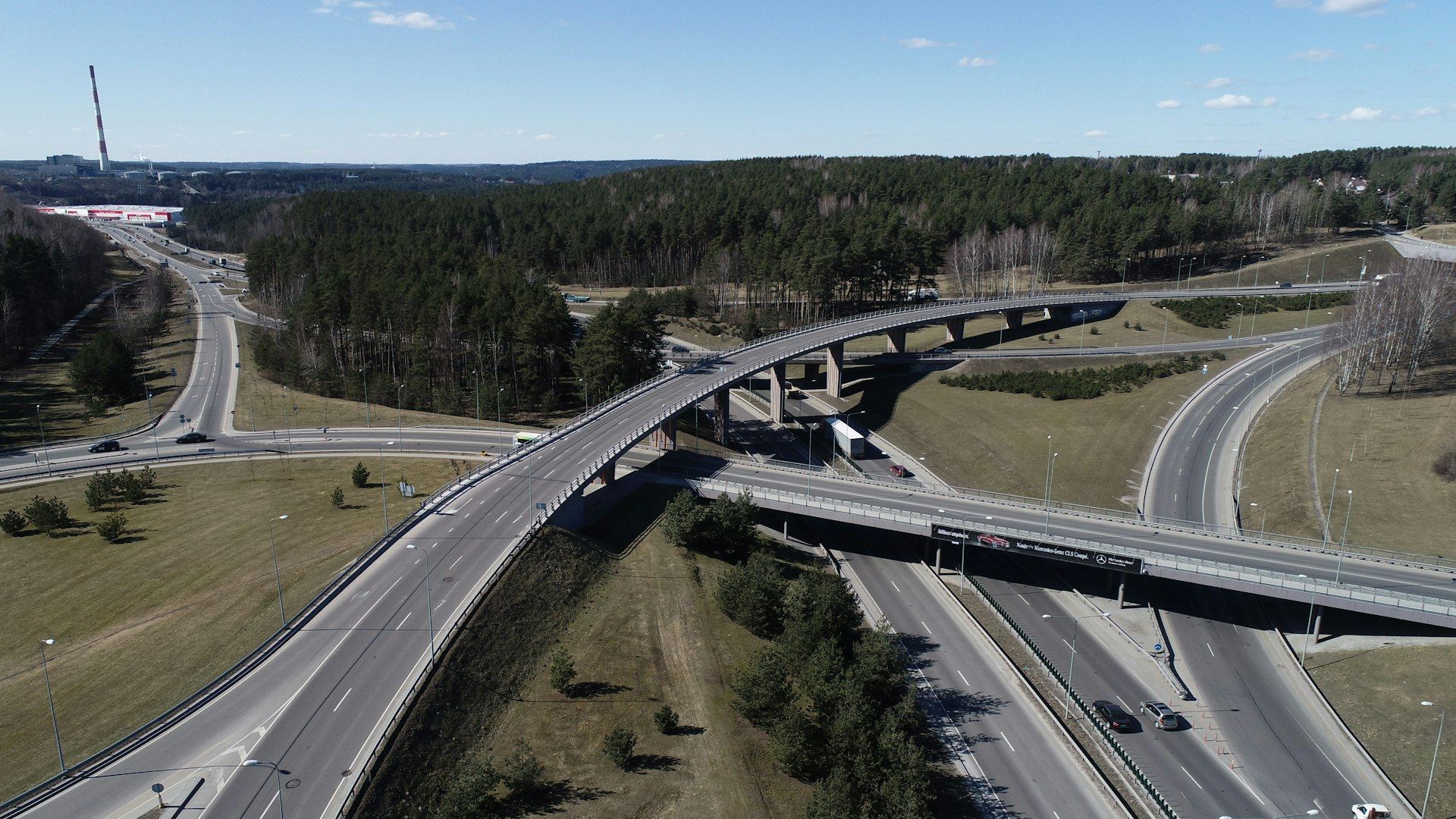 Transportation · IllustrativeHighway Widening Owner Schedule ReviewThe agency needed someone to test a design-builder's monthly updates. We review each one before it is accepted.
 Aviation · IllustrativeTerminal Concourse Renovation PhasingGates had to come out of service in a fixed order agreed with the airlines. The phasing schedule kept that order and still finished early.
 Water & Wastewater · IllustrativeBiosolids Digester Upgrade RecoverySeven months behind with a regulatory deadline in view. A recovery schedule built from the remaining work brought the first digester back online on time.
Straight answers to fair questions.
Is a TIA prospective or retrospective?
Usually prospective, measuring a delay as it happens. After the fact, a windows analysis is often the better method.
What do you need to start?
The native update before the event, a description of the delay and whatever records support it.
Can both parties rely on the result?
That is the point. A transparent TIA with native files is meant to be checked, which is how it settles arguments.
Can I try inserting a delay?
The Delay Impact Simulator in our Controls Lab lets you add a delay to a sample network and watch float absorb it.
Related services.

Send the schedule. Act while you have options.
Share the project, the latest XER and the date you are protecting. We will tell you plainly what the schedule is telling you.