


Delay analysis that holds up.
Forensic schedule analysis and claims support for owners and contractors. Windows analysis, as-planned versus as-built and collapsed as-built methods, built on the project record and written so a reviewer can follow it.
Claims are lost on method.
A method the record cannot carry
An analysis that the available schedules cannot support falls apart under review, whatever the merits of the claim.
Gaps in the record
Missing updates, unexplained logic changes and thin daily reports weaken any analysis built on them.
Every day blamed on one party
Analyses that ignore concurrency rarely survive a careful reviewer.
How we analyze delay.

- 01
Assemble the record
Baseline, every update, daily reports, RFIs, change orders, correspondence and minutes, organized by date.
- 02
Choose the fitting method
Windows, as-planned versus as-built or collapsed as-built, selected for the records that exist and what the contract requires.
- 03
Work window by window
Each period examined for its driving path, the delays on that path and the float they consumed.
- 04
Separate the causes
Owner, contractor, third-party and concurrent delay apportioned, with the evidence behind each allocation.
- 05
Write for scrutiny
Reports and exhibits a mediator, arbitrator or opposing analyst can follow one step at a time.
What you walk away with.
Scoped to your project. Native files and plain-English outputs that stay yours when we leave.
Method, findings and days by cause, supported by exhibits drawn from the record.
A dated timeline of events tied to the schedule activities each one affected.
The driving path and float for each analysis window, shown visually.
The other side’s analysis tested for method, data and logic errors.
Summaries and figures that help leadership decide whether to settle or proceed.
When to call us.
The earlier we see the schedule, the more options you keep.
You are preparing a claim
Get the analysis right before the claim is filed, not after the response.
You have received one
Test the contractor’s or owner’s analysis before you answer it.
The job is still running
Analysis done during the project is stronger than a reconstruction years later.
Settlement talks are coming
Know your position in days before anyone starts talking about money.
Where this work has run.
Every project is confidential. Names describe the work, not the client.
 Oil, Gas & Chemicals · IllustrativeChemical Plant Turnaround ScheduleEvery outage day is lost production. The turnaround was tracked by shift and handed back a day ahead of plan.
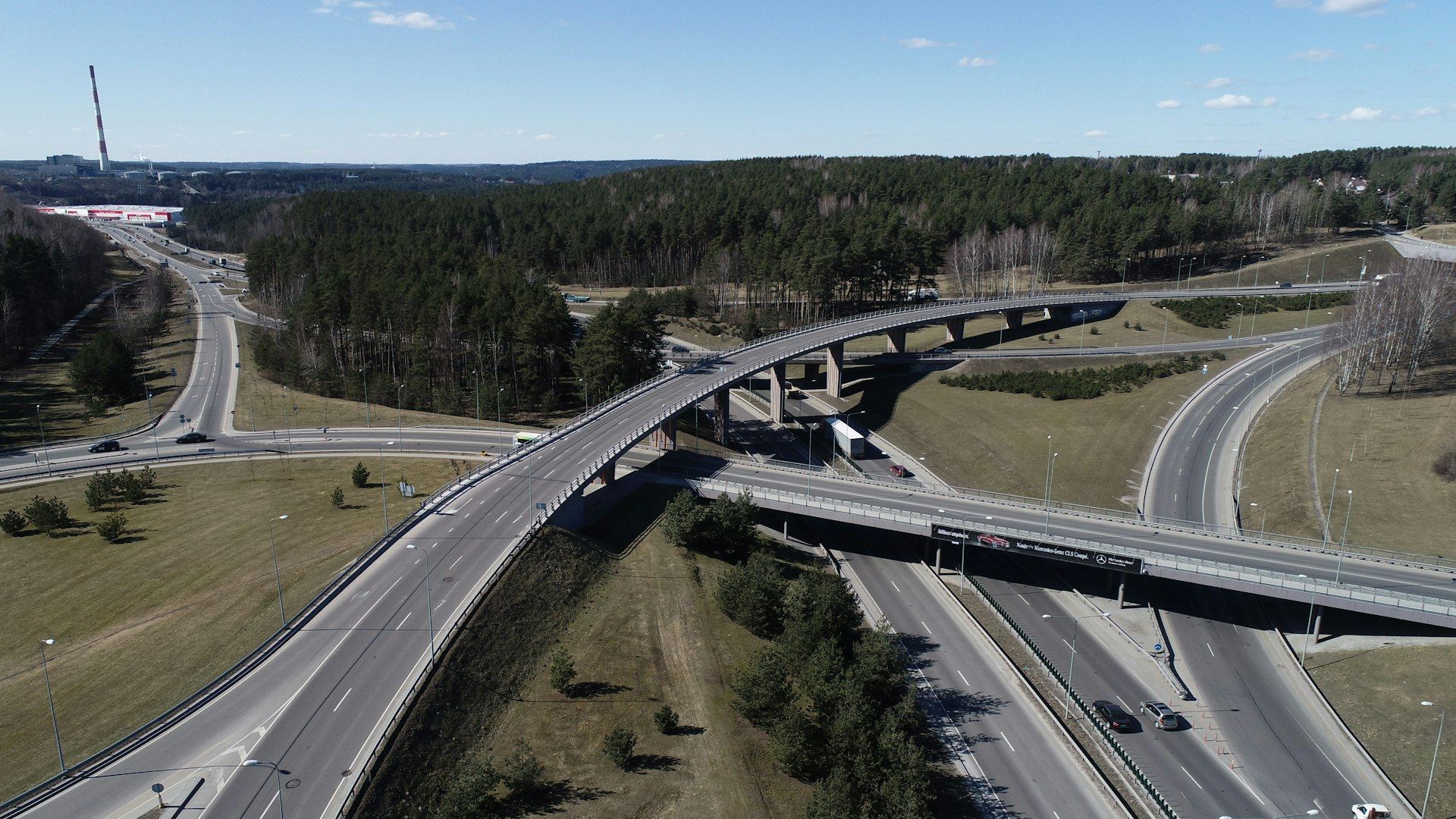 Transportation · IllustrativeHighway Widening Owner Schedule ReviewThe agency needed someone to test a design-builder's monthly updates. We review each one before it is accepted.
 Commercial & Mixed-Use · IllustrativeOffice Tower Interior Fit-Out ProgramTwenty-two floors of tenant fit-out with hard lease start dates. Each floor had its own path, and each was handed over on time.
Straight answers to fair questions.
Which method is best?
The one the record supports and the contract allows. Windows analysis is often preferred when regular updates exist.
Can you work alongside our counsel?
Yes. We structure our work to fit the legal team’s process and timetable.
Is it too late once the job is finished?
No. A retrospective analysis can be built from the record. Earlier is better, because more evidence survives.
Do you only help file claims?
No. We also help owners and contractors defend against claims and test the opposing analysis.
Related services.

Send the schedule. Act while you have options.
Share the project, the latest XER and the date you are protecting. We will tell you plainly what the schedule is telling you.