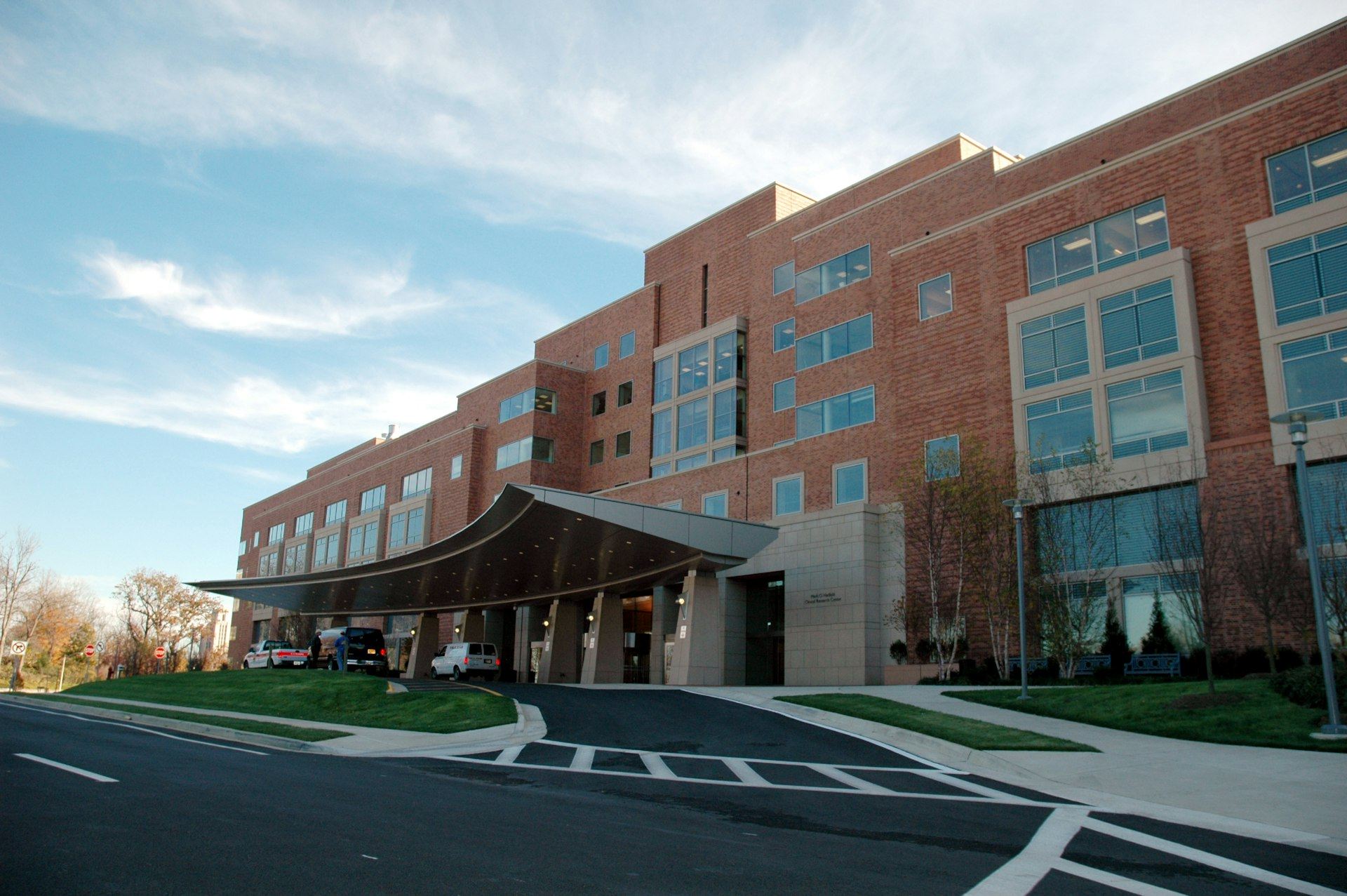
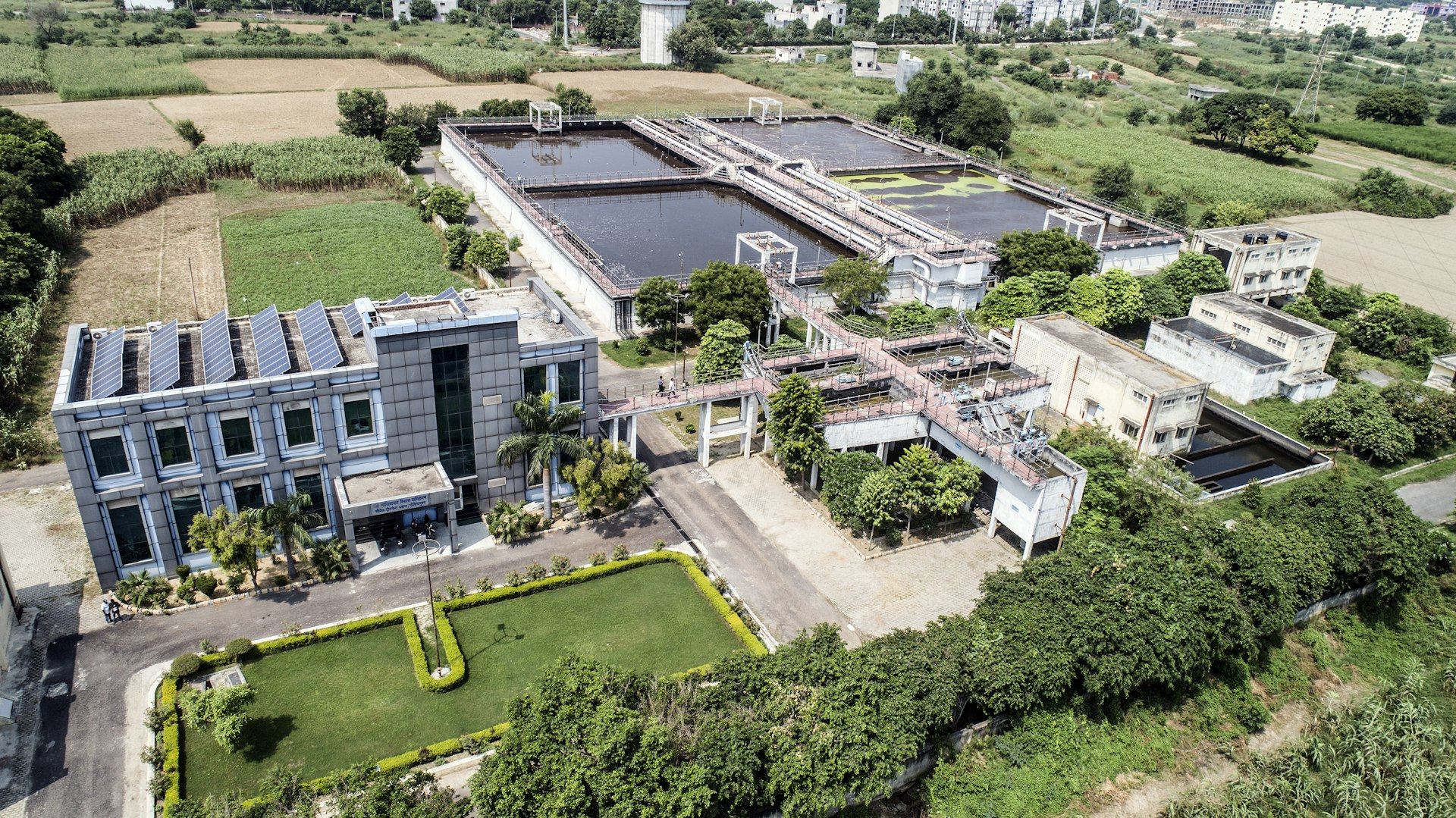


Built it once? The next one costs less.
The next data hall, the next substation, the next school in the bond program. When the work repeats, the controls should not start from zero. Repeat or similar projects qualify for a highly discounted Program Rate.
- You pay for setup
- Once
- Logic on day one
- Proven
- Mobilization
- Faster
Who it is built for.
Open to any client with a repeat or similar project: owner or contractor, public or private.
Data center campuses
The next hall or the next building on the campus. Power, cooling and commissioning logic proven on the first hall carries straight over.
Utility and power programs
Substations, transmission upgrades and generation work delivered year after year under capital plans that repeat.
Bond programs
Districts, universities and cities delivering a list of similar buildings. The fifth school should not cost what the first did to schedule.
Healthcare systems
Clinics, outpatient centers and patient towers across one system, built to the same standards and the same activation logic.
Industrial and retail rollouts
Plants, lines, distribution centers and stores built to a prototype. One schedule template per prototype, adjusted for each site.
Contractors with repeat owners
General contractors and construction managers who build the same kind of project for the same owner again and again.
The hard part is already built.
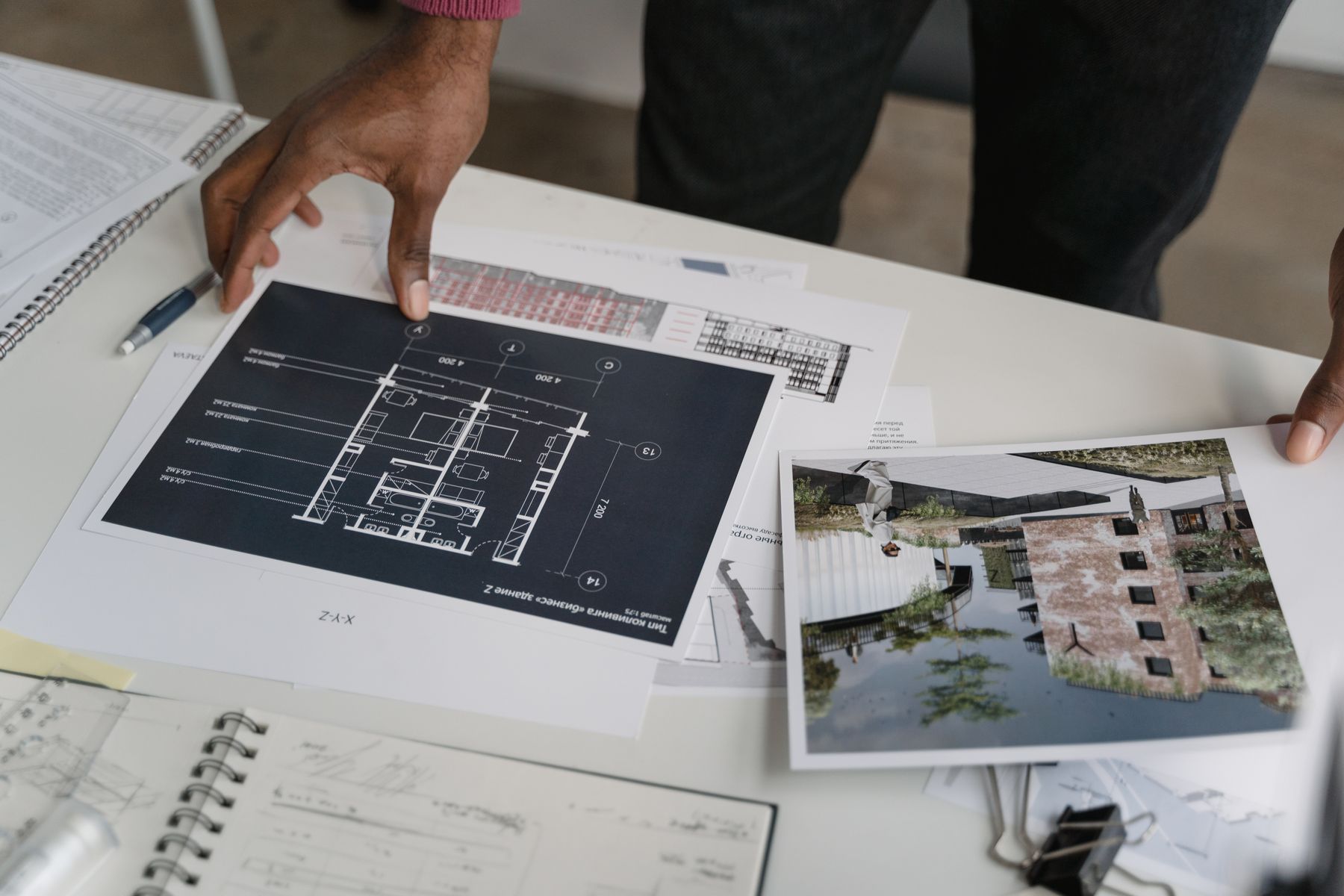
- 01
Work breakdown structure
A WBS that matches how you build, estimate and report. It took weeks to get right the first time. Now it takes an afternoon.
- 02
Logic libraries
Tested sequences for structure, MEP, commissioning, inspections and turnover. The next baseline starts from logic that already held.
- 03
Cost codes
Codes that tie budget to schedule, so cost forecasting and earned value work from the first period.
- 04
P6 and report templates
Activity codes, calendars, layouts, look-aheads and the monthly report your leadership already knows how to read.
- 05
Lessons from the last job
Durations and risks taken from what actually happened, not from what the first baseline assumed.
How it works.
Tell us what repeats
Share the first project and the ones coming next: how many, what type and roughly when. One conversation is enough to start.
We scope the first project
The first project is priced normally. It is where the WBS, logic, cost codes and reporting you will reuse get built.
Every next one at a Program Rate
Each repeat or similar project starts from the proven setup at a highly discounted rate, agreed in writing.
Sharper every time
What we learn goes back into the libraries after each project, so every baseline is tighter than the last.
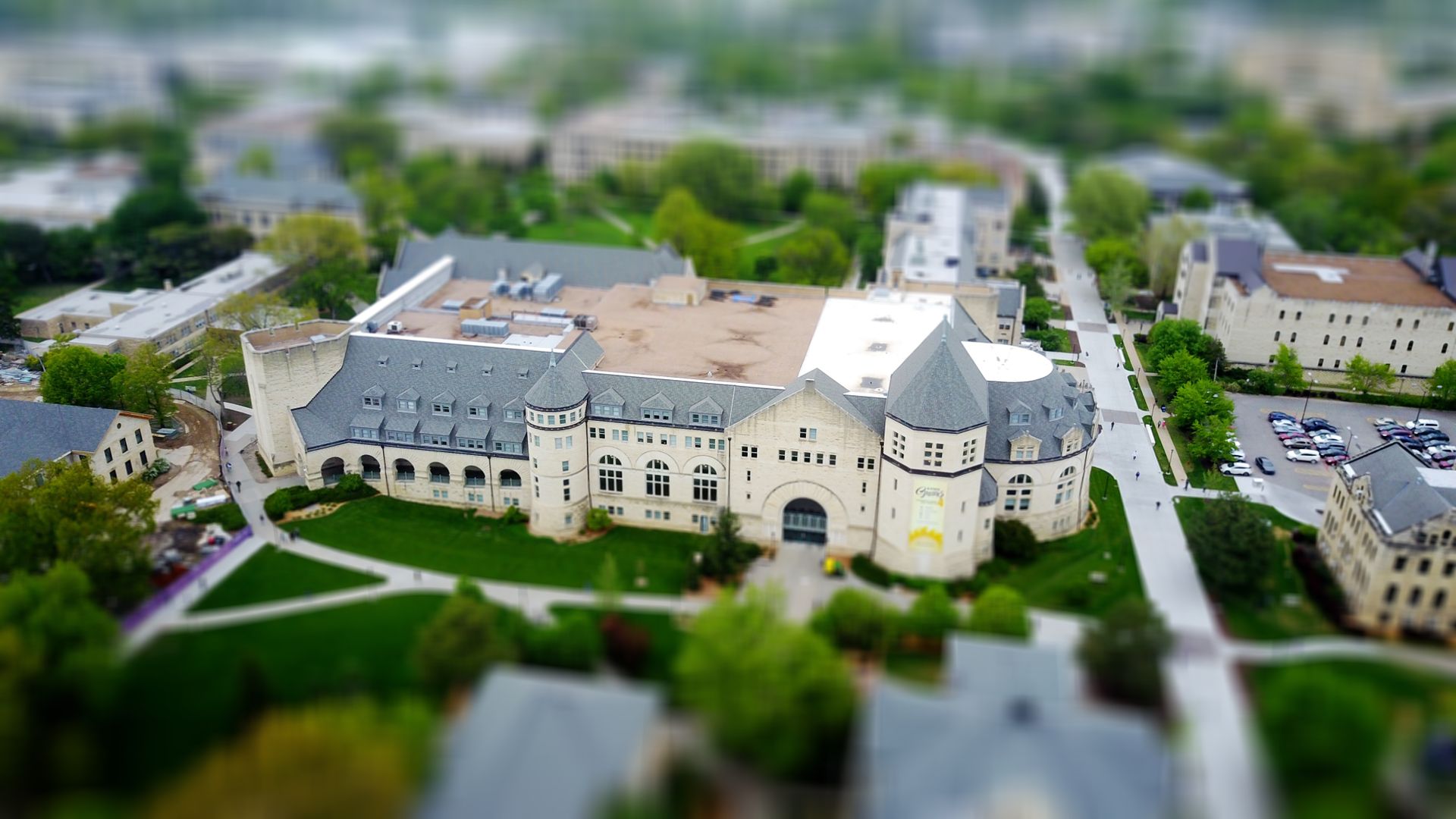
The second baseline starts half built.
On the first building we develop the WBS, the logic library, the cost codes and the monthly report. On the next one, the baseline starts from logic that already held through a full set of updates, and the team spends its hours on what is different about the new site.
- 1
- Setup, paid once
- P6
- Templates carried over
- Same
- Coding on every project
What you walk away with.
A highly discounted rate on every repeat or similar project, agreed in writing before the work starts.
Baseline, cost structure and reporting in place quickly, because the templates already exist.
The coding, checks and reporting your team learned on the first project stay the same on the next.
Every project coded the same way, so durations, costs and performance can be compared across the program.
Questions about Program Rates.
How large is the discount?
It depends on how similar the projects are and how many there will be. We agree the Program Rate in writing when we scope the first project.
Do the projects have to be identical?
No. Similar is enough: the same building type, the same owner standards or the same delivery model. If the WBS and logic carry over, the rate applies.
We already worked with you. Does that count?
Yes. If your next project is similar to one we have already set up for you, ask for a Program Rate before we scope it.
Is this only for owners?
No. Program Rates are open to owners, general contractors, construction managers and public agencies with repeat or similar work.
Can the projects run at the same time?
Yes. Concurrent projects share the same setup, which also makes integrated reporting simpler.
Tell us what comes next.
Share what you built and what is coming. We will tell you how much of the setup carries over. Or email conversations@beckfranklin.com.